
Back
Published
August 15, 2026
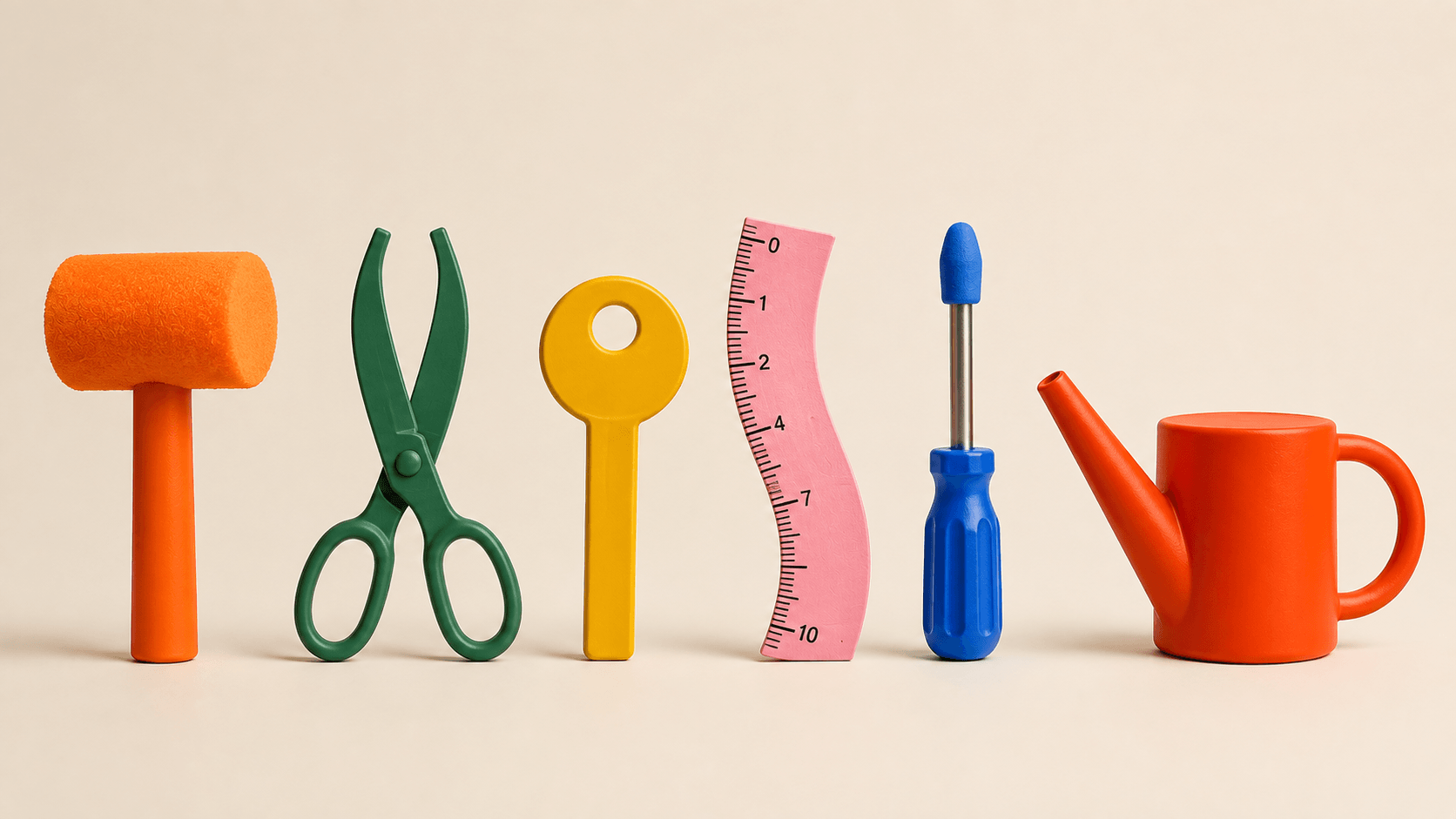
AI makes it easier to create. Not easier to know what's worth creating.
AI has fundamentally changed the way we create. We can explore more ideas, visualise concepts faster, test directions earlier and develop solutions at a pace that would have seemed unrealistic just a few years ago. The tools are improving almost every week, and the barrier between an idea and something tangible is getting lower and lower.
It's a shift we fully embrace at Yuhu.
We use AI every day, both in our own ventures and in our work with clients. It helps us explore more possibilities, challenge more assumptions and move from ideas to tangible concepts much faster than before. In many ways, that's an incredibly positive development. But as creating becomes easier, another question becomes even more important: Is this actually worth creating?
Just because we can build something faster doesn't automatically make it a good idea, an important problem to solve or something people genuinely need.
A website can be launched sooner. A product can reach the market faster. A campaign can generate more variations than ever before. But if the foundation is weak, we've simply become more efficient at creating something that perhaps never needed to exist in the first place.
That's why we believe AI doesn't reduce the value of creativity, it shifts where that value lies.
As production becomes easier, the ability to understand what should be created becomes far more valuable. It requires curiosity, judgement, empathy and the ability to recognise opportunities that matter. It means understanding people, asking better questions, challenging assumptions and finding directions that are genuinely worth pursuing. Technology doesn't make that part less important. It makes it more important. The same is true for creativity.
Creativity isn't just about generating lots of ideas. It's about recognising which ideas deserve your attention. It's about connecting unexpected dots, challenging the obvious, making difficult choices and shaping something people genuinely care about. AI is an extraordinary creative partner. But it shouldn't replace human judgement.
For us, the question is no longer whether organisations should use AI. That question has already been answered. The real question is how we use it to create work that is more thoughtful, more meaningful and ultimately more valuable. We want AI to help us explore further, learn faster and discover more possibilities, but we still believe people need to decide which of those possibilities are actually worth pursuing.
That philosophy sits at the heart of Yuhu.
We work where strategy, creativity, design, product and emerging technology meet because we believe they belong together. Great ideas need direction, creativity makes them distinctive, and human craft brings them to life with quality and character. Technology can accelerate all of it, but it doesn't replace the thinking, judgement and attention to detail that shape a great outcome.
As AI becomes available to everyone, simply creating more or faster won't necessarily make you stand out. The difference will be in the ideas you choose, the decisions you make and how well you bring them to life.
That's where we like to work at Yuhu: Helping ambitious companies and teams find the right direction, shape ideas worth pursuing and turn them into ventures, products, brands and experiences people genuinely care about.
The easier it becomes to create, the more important it becomes to know what's worth creating.
Written by


Morten Utengen
Co-Founder at Yuhu. Design, products and strategy. Serial founder.

Shaping products, brands and ventures.
© 2026 Copyright. All Rights Reserved.
Back
Published
August 15, 2026
AI makes it easier to create. Not easier to know what's worth creating.
AI has fundamentally changed the way we create. We can explore more ideas, visualise concepts faster, test directions earlier and develop solutions at a pace that would have seemed unrealistic just a few years ago. The tools are improving almost every week, and the barrier between an idea and something tangible is getting lower and lower.
It's a shift we fully embrace at Yuhu.
We use AI every day, both in our own ventures and in our work with clients. It helps us explore more possibilities, challenge more assumptions and move from ideas to tangible concepts much faster than before. In many ways, that's an incredibly positive development. But as creating becomes easier, another question becomes even more important: Is this actually worth creating?
Just because we can build something faster doesn't automatically make it a good idea, an important problem to solve or something people genuinely need.
A website can be launched sooner. A product can reach the market faster. A campaign can generate more variations than ever before. But if the foundation is weak, we've simply become more efficient at creating something that perhaps never needed to exist in the first place.
That's why we believe AI doesn't reduce the value of creativity, it shifts where that value lies.
As production becomes easier, the ability to understand what should be created becomes far more valuable. It requires curiosity, judgement, empathy and the ability to recognise opportunities that matter. It means understanding people, asking better questions, challenging assumptions and finding directions that are genuinely worth pursuing. Technology doesn't make that part less important. It makes it more important. The same is true for creativity.
Creativity isn't just about generating lots of ideas. It's about recognising which ideas deserve your attention. It's about connecting unexpected dots, challenging the obvious, making difficult choices and shaping something people genuinely care about. AI is an extraordinary creative partner. But it shouldn't replace human judgement.
For us, the question is no longer whether organisations should use AI. That question has already been answered. The real question is how we use it to create work that is more thoughtful, more meaningful and ultimately more valuable. We want AI to help us explore further, learn faster and discover more possibilities, but we still believe people need to decide which of those possibilities are actually worth pursuing.
That philosophy sits at the heart of Yuhu.
We work where strategy, creativity, design, product and emerging technology meet because we believe they belong together. Great ideas need direction, creativity makes them distinctive, and human craft brings them to life with quality and character. Technology can accelerate all of it, but it doesn't replace the thinking, judgement and attention to detail that shape a great outcome.
As AI becomes available to everyone, simply creating more or faster won't necessarily make you stand out. The difference will be in the ideas you choose, the decisions you make and how well you bring them to life.
That's where we like to work at Yuhu: Helping ambitious companies and teams find the right direction, shape ideas worth pursuing and turn them into ventures, products, brands and experiences people genuinely care about.
The easier it becomes to create, the more important it becomes to know what's worth creating.
Written by
Morten Utengen
Co-Founder at Yuhu. Design, products and strategy. Serial founder.
Shaping products, brands and ventures.
© 2026 Copyright. All Rights Reserved.
Back
Published
August 15, 2026
AI makes it easier to create. Not easier to know what's worth creating.
AI has fundamentally changed the way we create. We can explore more ideas, visualise concepts faster, test directions earlier and develop solutions at a pace that would have seemed unrealistic just a few years ago. The tools are improving almost every week, and the barrier between an idea and something tangible is getting lower and lower.
It's a shift we fully embrace at Yuhu.
We use AI every day, both in our own ventures and in our work with clients. It helps us explore more possibilities, challenge more assumptions and move from ideas to tangible concepts much faster than before. In many ways, that's an incredibly positive development. But as creating becomes easier, another question becomes even more important: Is this actually worth creating?
Just because we can build something faster doesn't automatically make it a good idea, an important problem to solve or something people genuinely need.
A website can be launched sooner. A product can reach the market faster. A campaign can generate more variations than ever before. But if the foundation is weak, we've simply become more efficient at creating something that perhaps never needed to exist in the first place.
That's why we believe AI doesn't reduce the value of creativity, it shifts where that value lies.
As production becomes easier, the ability to understand what should be created becomes far more valuable. It requires curiosity, judgement, empathy and the ability to recognise opportunities that matter. It means understanding people, asking better questions, challenging assumptions and finding directions that are genuinely worth pursuing. Technology doesn't make that part less important. It makes it more important. The same is true for creativity.
Creativity isn't just about generating lots of ideas. It's about recognising which ideas deserve your attention. It's about connecting unexpected dots, challenging the obvious, making difficult choices and shaping something people genuinely care about. AI is an extraordinary creative partner. But it shouldn't replace human judgement.
For us, the question is no longer whether organisations should use AI. That question has already been answered. The real question is how we use it to create work that is more thoughtful, more meaningful and ultimately more valuable. We want AI to help us explore further, learn faster and discover more possibilities, but we still believe people need to decide which of those possibilities are actually worth pursuing.
That philosophy sits at the heart of Yuhu.
We work where strategy, creativity, design, product and emerging technology meet because we believe they belong together. Great ideas need direction, creativity makes them distinctive, and human craft brings them to life with quality and character. Technology can accelerate all of it, but it doesn't replace the thinking, judgement and attention to detail that shape a great outcome.
As AI becomes available to everyone, simply creating more or faster won't necessarily make you stand out. The difference will be in the ideas you choose, the decisions you make and how well you bring them to life.
That's where we like to work at Yuhu: Helping ambitious companies and teams find the right direction, shape ideas worth pursuing and turn them into ventures, products, brands and experiences people genuinely care about.
The easier it becomes to create, the more important it becomes to know what's worth creating.
Written by
Morten Utengen
Co-Founder at Yuhu. Design, products and strategy. Serial founder.
Shaping products, brands and ventures.
© 2026 Copyright. All Rights Reserved.
Back
Published
August 15, 2026
AI makes it easier to create. Not easier to know what's worth creating.
AI has fundamentally changed the way we create. We can explore more ideas, visualise concepts faster, test directions earlier and develop solutions at a pace that would have seemed unrealistic just a few years ago. The tools are improving almost every week, and the barrier between an idea and something tangible is getting lower and lower.
It's a shift we fully embrace at Yuhu.
We use AI every day, both in our own ventures and in our work with clients. It helps us explore more possibilities, challenge more assumptions and move from ideas to tangible concepts much faster than before. In many ways, that's an incredibly positive development. But as creating becomes easier, another question becomes even more important: Is this actually worth creating?
Just because we can build something faster doesn't automatically make it a good idea, an important problem to solve or something people genuinely need.
A website can be launched sooner. A product can reach the market faster. A campaign can generate more variations than ever before. But if the foundation is weak, we've simply become more efficient at creating something that perhaps never needed to exist in the first place.
That's why we believe AI doesn't reduce the value of creativity, it shifts where that value lies.
As production becomes easier, the ability to understand what should be created becomes far more valuable. It requires curiosity, judgement, empathy and the ability to recognise opportunities that matter. It means understanding people, asking better questions, challenging assumptions and finding directions that are genuinely worth pursuing. Technology doesn't make that part less important. It makes it more important. The same is true for creativity.
Creativity isn't just about generating lots of ideas. It's about recognising which ideas deserve your attention. It's about connecting unexpected dots, challenging the obvious, making difficult choices and shaping something people genuinely care about. AI is an extraordinary creative partner. But it shouldn't replace human judgement.
For us, the question is no longer whether organisations should use AI. That question has already been answered. The real question is how we use it to create work that is more thoughtful, more meaningful and ultimately more valuable. We want AI to help us explore further, learn faster and discover more possibilities, but we still believe people need to decide which of those possibilities are actually worth pursuing.
That philosophy sits at the heart of Yuhu.
We work where strategy, creativity, design, product and emerging technology meet because we believe they belong together. Great ideas need direction, creativity makes them distinctive, and human craft brings them to life with quality and character. Technology can accelerate all of it, but it doesn't replace the thinking, judgement and attention to detail that shape a great outcome.
As AI becomes available to everyone, simply creating more or faster won't necessarily make you stand out. The difference will be in the ideas you choose, the decisions you make and how well you bring them to life.
That's where we like to work at Yuhu: Helping ambitious companies and teams find the right direction, shape ideas worth pursuing and turn them into ventures, products, brands and experiences people genuinely care about.
The easier it becomes to create, the more important it becomes to know what's worth creating.
Written by
Morten Utengen
Co-Founder at Yuhu. Design, products and strategy. Serial founder.
Shaping products, brands and ventures.
© 2026 Copyright. All Rights Reserved.